Discovering the Various Usages of Bulkhead Structures in Modern Design
Bulkhead structures play a substantial role in modern-day design, offering both functional and aesthetic functions. They can specify spaces, enhance storage services, and boost lights. In industrial settings, they act as centerpieces that mirror brand name identification - Bulkhead on Lake Livingston. Furthermore, their combination frequently supports audio management and lasting techniques. Recognizing the full range of their applications exposes much about contemporary design patterns and individual experience. What ingenious uses of bulkheads might emerge in the future?
Defining Bulkhead Frameworks
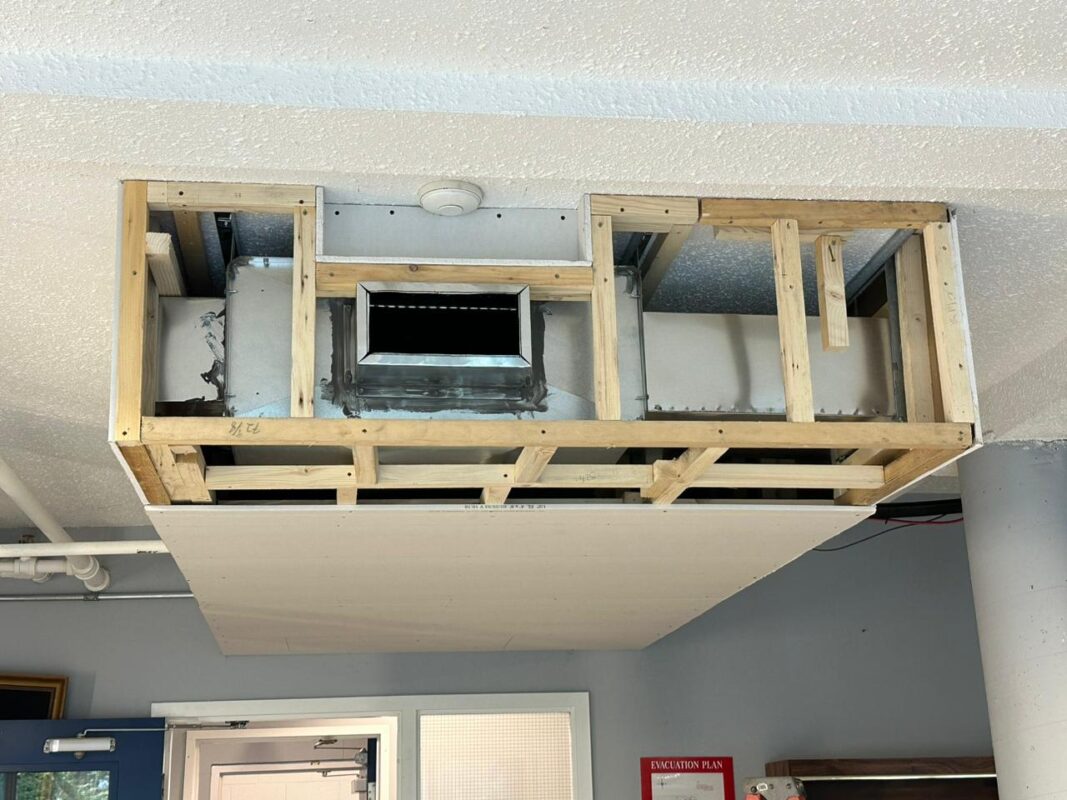
Bulkhead structures play a vital function in contemporary design, working as important components in various building styles. These structures are typically specified as raised platforms or ceilings, often used to hide mechanical systems, wiring, or pipes. Bulkheads can be found in both property and business setups, where they provide a seamless blend of functionality and visual appeals. Their design can incorporate lights components and other attractive components, boosting the overall aesthetic allure of a room.
Usually constructed from materials such as wood, steel, or drywall, bulkheads can be personalized to fit the architectural design and demands of the structure (Bulkhead on Lake Livingston). They offer not only to conceal undesirable infrastructure yet additionally to produce specified zones within open areas. By handling the circulation of an area, bulkheads add to the spatial company, making them a considerable element of contemporary building practice. As a result, their definition envelops both visual and functional measurements
Functional Applications in Residential Style
Bulkhead structures play a necessary role in domestic style by helping with space optimization strategies that take full advantage of useful areas. Moreover, they contribute visual style components that enhance the aesthetic appeal of living areas. Additionally, these frameworks provide vital structural assistance solutions, ensuring the integrity and safety and security of the home.
Area Optimization Strategies
As modern-day household layouts increasingly prioritize reliable use of room, ingenious techniques emerge to make best use of functionality without sacrificing aesthetic appeals. One famous approach involves the integration of bulkhead structures, which can delineate locations while giving important storage services. These structures can be utilized to produce vertical storage space units that enhance both organization and availability. In addition, multi-functional furnishings, such as exchangeable sofas and collapsible tables, complements bulkhead styles, enabling rooms to adjust to varying needs. Open up floor plans additionally optimize spatial circulation, urging flexibility in operation. Incorporating integrated shelving and recessed lighting within bulkheads additionally contributes to a streamlined environment, guaranteeing that every inch of space is used efficiently and harmoniously within the general design.
Visual Design Components
Architectural Support Solutions
In contemporary household layout, an effective structural support remedy is necessary for preserving the honesty of areas while enhancing format and capability. Bulkhead structures play a substantial function in this situation, functioning as both assistance and partitioning elements. They can hide mechanical systems, such as pipes and electric circuitry, while supplying support to the ceiling and floor systems. By purposefully placing bulkheads, designers can produce specified areas within open floor strategies, enhancing usability without compromising architectural security. Additionally, these frameworks can suit lights components, adding to both aesthetics and usefulness. To summarize, bulkhead frameworks are important in domestic design, supplying functional assistance remedies that enhance both the capability and aesthetic appeal of living rooms.
Enhancing Appearances in Commercial Rooms
When industrial spaces embrace cutting-edge bulkhead frameworks, they not only define physical limits but also significantly enhance the general looks of the setting. These architectural aspects act as aesthetic centerpieces, drawing interest and creating a sense of intrigue. By including varied materials such as wood, metal, or glass, bulkheads can reflect a brand's identification and goal, contributing to a cohesive layout.
Moreover, the calculated positioning of bulkheads can manipulate light and shadow, adding deepness and measurement to or else flat rooms. This interplay can change a business location right into an inviting environment, encouraging client interaction. In addition, the usage of shade and structure in bulkhead design can stimulate details feelings, enhancing the overall customer experience. Eventually, the thoughtful integration of bulkhead frameworks boosts the visual appeal of industrial spaces, making them not only practical but additionally aesthetically charming, therefore fostering a long lasting perception on visitors.
Acoustic Efficiency and Sound Administration
Reliable acoustic performance plays an important function in modern design, particularly within industrial areas where sound management is important. Bulkhead frameworks can substantially boost acoustic high qualities by taking in audio, decreasing reverberation, and mitigating sound transfer between locations. These features are specifically advantageous in atmospheres such as offices, cinemas, and restaurants, where clear communication and a pleasurable acoustic experience are vital.
The critical placement and style of bulkheads can help create sound-buffer zones, successfully separating noisy locations from quieter ones. Products used in bulkhead building, such as acoustic panels and soft coatings, add to their sound-dampening capacities. In addition, the incorporation of bulkheads permits for the combination of sound-absorbing aspects without endangering visual appeal. By addressing acoustic efficiency, architects can create unified settings that enhance convenience, improve user experience, and advertise performance, making bulkheads a crucial component in the design of contemporary commercial areas.
Incorporating Bulkheads for Effective Area Use
Although usually forgotten, the combination of bulkheads in architectural style can considerably boost room use in contemporary buildings. These architectural components offer several sensible functions, providing a method to conceal mechanical systems, electrical wiring, and plumbing without compromising appearances. By purposefully positioning bulkheads, architects can develop specified locations within open layout, thus helping with far better organization and flow.
Bulkheads can integrate storage options and lights attributes, optimizing the performance of otherwise thrown away upright area. In household settings, they might delineate areas such as kitchen areas or living areas, while in business spaces, they can improve the effectiveness of formats by clearly noting paths and workplace.
Ultimately, the thoughtful combination of bulkheads adds to a more orderly and aesthetically attractive setting, enabling versatile rooms that can advance with the requirements of their residents. This technique not only maximizes space but also promotes an extra unified communication between form and function.
Bulkheads in Public Style

Architectural Aesthetic Enhancements
While several building components objective for capability, bulkheads in public architecture serve a twin purpose by boosting aesthetic appeal. These frameworks typically produce aesthetic passion with their style, incorporating effortlessly with surrounding components. By using different products, textures, and colors, bulkheads can add to a distinct identity for public rooms, such as airport terminals, museums, and collections. Their tactical positioning helps to define locations, guiding visitors while including deepness to the total layout. Additionally, bulkheads can emphasize lighting, producing dynamic environments that change throughout the day. This aesthetic improvement not just elevates the site visitor experience yet additionally this content cultivates a sense of place, making bulkheads a vital look at this now consideration in modern-day public design. On the whole, bulkheads symbolize the fusion of type and function.

Structural Assistance Solutions
As designers seek cutting-edge ways to enhance the architectural stability of public areas, bulkheads arise as vital parts in the design and construction procedure. These structures offer vital assistance, especially in locations based on hefty foot web traffic or vibrant tons. By distributing weight uniformly, bulkheads help prevent structural failing while permitting functional style choices. In huge locations, such as stadiums and convention centers, bulkheads are commonly incorporated into the general architectural framework, ensuring security and security. Furthermore, they can assist in the unification of utilities and mechanical systems, adding to the effectiveness of area usage. Eventually, bulkheads represent an essential option in contemporary public design, strengthening both functionality and safety and security in community-focused settings.
Environmental Defense Actions
Incorporating ecological protection procedures into public style has actually become increasingly essential as urban developers focus on sustainability together with architectural assistance. Bulkhead structures serve a double objective in this regard, serving as obstacles against erosion and flooding while all at once enhancing the aesthetic charm of metropolitan landscapes. Their layout often includes natural environments such as vegetation, which can improve air quality and provide habitats for wildlife. Furthermore, bulkheads can be crafted with permeable materials that allow for water absorption, minimizing runoff and promoting groundwater recharge. This combination of ecological factors to consider not only maintains the setting yet likewise fosters community strength against environment change. By making use of bulkheads successfully, architects add to sustainable city advancement that lines up with contemporary environmental objectives.
Future Trends in Bulkhead Style
Arising patterns in bulkhead layout reflect a growing emphasis on sustainability, development, and capability in contemporary design. Designers are increasingly incorporating eco-friendly materials, such as recycled composites and bioplastics, to minimize environmental effect. In enhancement, the combination of smart technology is coming to be prevalent, making it possible for bulkheads to offer multi-functional purposes, consisting of energy storage and climate control.
In city settings, modular bulkhead systems are obtaining grip, using versatility in style and convenience of installation. These systems can be adapted to numerous landscapes, enabling reliable area application. In addition, aesthetic considerations are progressing; bulkheads are now being designed to enhance visual appeal, frequently incorporating artistic components that resonate with neighborhood society.
As environment strength ends up being a concern, future bulkhead layouts will likely focus on flooding defense and stormwater administration, guaranteeing structural honesty while resolving environmental difficulties. This shift signifies an all natural strategy to style that meets both environmental duties and human requirements.
Often Asked Questions
What Materials Are Commonly Made Use Of for Bulkhead Building And Construction?
Usual products for bulkhead building consist of concrete, steel, timber, and composite materials. These alternatives give resilience, structural honesty, and resistance to ecological factors, making them suitable for various applications in building and construction and engineering projects.
Exactly How Do Bulkheads Impact Structure Energy Effectiveness?
Bulkheads boost building power performance by offering thermal insulation and lowering air leakage (Bulkhead on Lake Livingston). They assist keep interior temperatures, thus lowering heating and cooling down demands, ultimately leading to reduced power prices and enhanced ecological sustainability
Exist Any Building Ordinance Specific to Bulkhead Structures?
Yes, developing codes details to bulkhead structures exist, differing by area. These guidelines typically address security, structural honesty, and access, making sure that bulkheads fulfill required requirements for building and construction and design within an offered jurisdiction.
Can Bulkheads Be Easily Changed or Gotten Rid Of Later?
Bulkheads can frequently be customized or gotten rid of, relying on their style and construction. Such alterations may require mindful preparation and adherence to building codes to assure architectural stability and safety are kept throughout the procedure.
What Are the Expenses Related To Setting Up Bulkhead Structures?
The costs associated with mounting find more info bulkhead structures can vary considerably, normally influenced by products, style intricacy, and labor. Typically, costs vary from modest to high, depending on the job's details demands and area.
Bulkhead structures play an essential duty in modern design, offering as necessary parts in numerous structure layouts. Bulkhead structures play an essential role in residential design by helping with area optimization techniques that make the most of usable areas. Commonly neglected, the combination of bulkheads in architectural style can substantially improve space application in contemporary buildings. As engineers look for ingenious ways to enhance the structural integrity of public spaces, bulkheads emerge as necessary components in the style and building procedure. The costs linked with installing bulkhead frameworks can vary substantially, commonly affected by materials, layout intricacy, and labor.